
Croissants have evolved far beyond the classic crescent shape. In recent years, innovative bakers have introduced visually stunning variations that combine laminated pastry techniques with creative shaping and indulgent fillings. Among the most popular trends are the Supreme Croissant, the Spiral Croissant, and the Circle Croissant. Each offers a unique presentation while preserving the flaky, buttery layers that define traditional croissants.
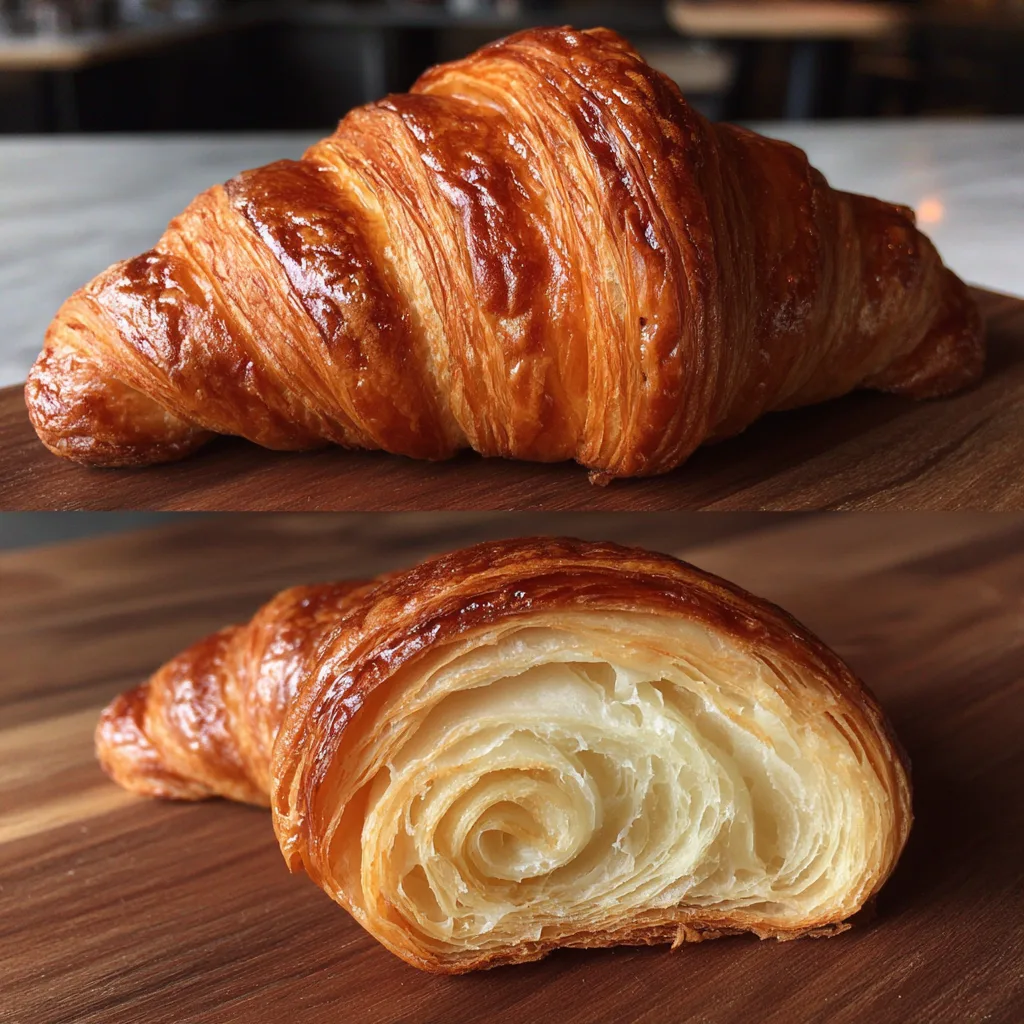
What makes these pastries so captivating is their structure. The lamination process creates delicate layers that expand beautifully during baking, while the shaping techniques give each variation its signature look. I once experimented with a spiral version filled with pistachio cream, and the filling nestled perfectly between the layers without compromising the crisp exterior. Whether you are baking for a special brunch or looking to elevate your pastry skills, these croissant styles provide both visual appeal and rich flavor.
Print
Supreme Croissant, Spiral Croissant, and Circle Croissant – The Viral Pastry Trio Explained
- Total Time: 4 hours
- Yield: 6 large croissants
- Diet: Vegetarian
Description
Supreme Croissant (also known as Spiral or Circle Croissant) is a laminated, buttery pastry shaped into a tall spiral or round coil, often filled or topped with flavored creams for a modern bakery-style treat.
Ingredients
- 500 g bread flour
- 60 g granulated sugar
- 10 g salt
- 10 g instant yeast
- 300 ml cold milk
- 250 g unsalted butter (for laminating)
- 1 egg (for egg wash)
- 1 tbsp milk (for egg wash)
- 1 cup pastry cream or flavored cream (optional filling)
Instructions
- In a bowl, mix flour, sugar, salt, and yeast.
- Add cold milk and mix until a dough forms.
- Knead until smooth, then cover and refrigerate for 1 hour.
- Roll butter into a flat rectangle between parchment paper and chill.
- Roll dough into a larger rectangle and place butter in the center.
- Fold dough over butter and seal edges.
- Roll out and perform 3 folds (turns), chilling 30 minutes between each.
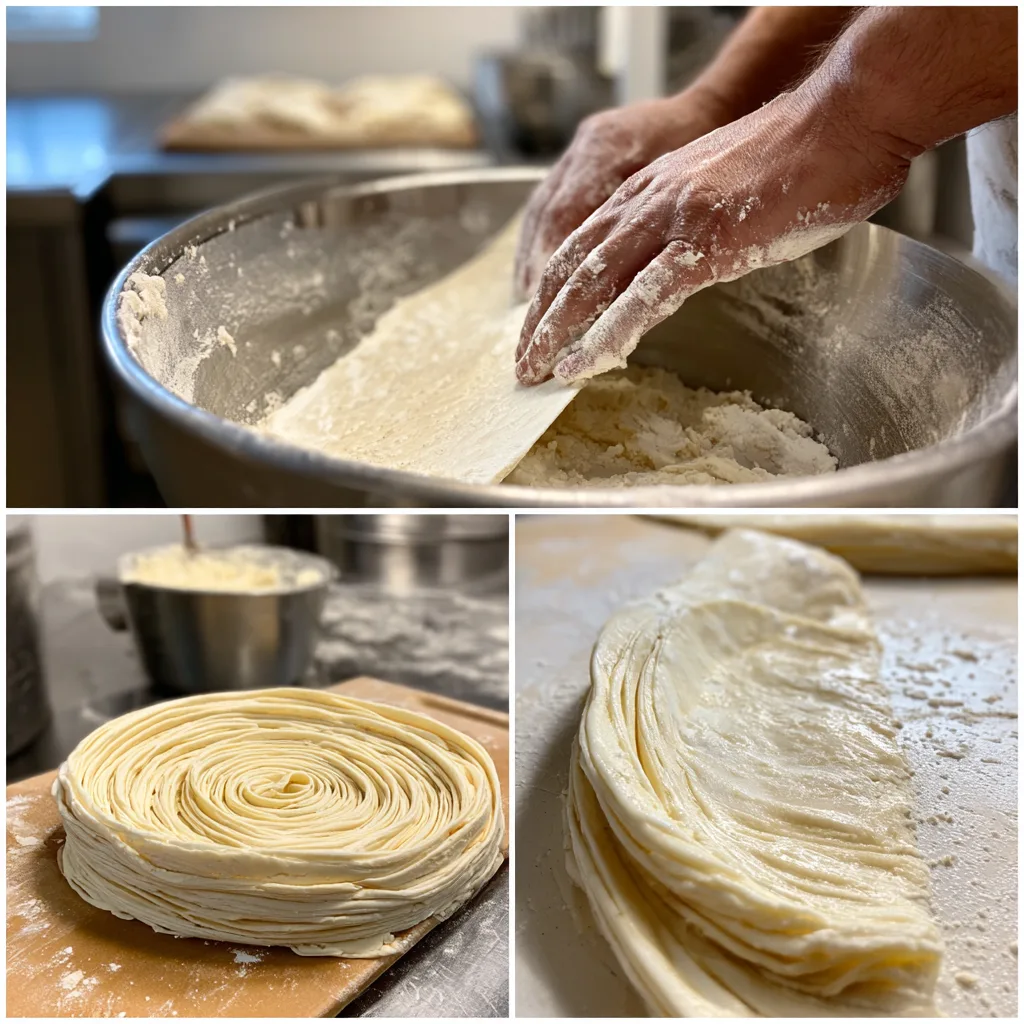
- After final fold, roll dough into a long strip.
- Cut into long strips and roll tightly into a spiral or circle shape inside pastry rings.
- Proof for 1 1/2–2 hours until doubled in size.
- Brush with egg wash.
- Bake at 190°C (375°F) for 20–25 minutes until golden and crisp.
- Cool slightly, then fill center with pastry cream if desired.
Notes
- Keep butter cold during lamination.
- Use pastry rings to maintain tall spiral shape.
- Fill with chocolate, pistachio, or vanilla cream for variations.
- Prep Time: 40 minutes
- Cook Time: 25 minutes
- Category: Baked Goods
- Method: Baking
- Cuisine: French
Why You’ll Love This Recipe
These croissant variations are visually impressive, bakery-style, versatile for sweet or savory fillings, and perfect for showcasing classic laminated dough techniques.
Ingredients
(Tip: You can find the complete list of ingredients and their measurements in the recipe card below.)
All-Purpose Flour
Flour forms the foundation of the laminated dough, providing structure while allowing elasticity.
Granulated Sugar
Sugar lightly sweetens the dough and supports browning during baking.
Salt
Salt enhances flavor and balances sweetness.
Instant Yeast
Yeast helps the dough rise and develop light, airy layers.
Warm Milk
Milk adds moisture and tenderness to the dough.
Unsalted Butter (for Dough)
A small amount of butter enriches the base dough.
Cold Unsalted Butter (for Lamination)
Cold butter is layered between folds of dough to create the signature flaky structure.
Egg (for Egg Wash)
Egg wash provides a glossy, golden finish before baking.
Pastry Cream or Chocolate Filling (Optional)
Fillings add sweetness and flavor, especially for supreme and spiral variations.
Powdered Sugar or Glaze (Optional)
Used for finishing touches after baking.
Directions
Begin by preparing the dough. In a large bowl, combine flour, sugar, salt, and yeast. Add warm milk and softened butter, mixing until a smooth dough forms. Knead for about 8 to 10 minutes until elastic. Cover and refrigerate for at least 1 hour.
Roll the chilled dough into a rectangle. Place a cold butter block in the center and fold the dough over it to enclose. Roll and fold the dough into thirds, then chill for 30 minutes. Repeat this rolling and folding process two more times to create distinct layers.
For the Supreme Croissant, cut long strips of laminated dough, coil them vertically into tall rings inside pastry molds, and allow them to proof before baking.
For the Spiral Croissant, spread filling over the dough sheet, roll tightly into a log, slice into rounds, and place flat on a baking sheet.
For the Circle Croissant, shape the laminated dough into a circular ring, sealing the ends together before proofing.
Allow shaped pastries to proof at room temperature until doubled in size, about 1 to 2 hours. Brush with egg wash and bake at 375°F for 18 to 25 minutes until golden brown and crisp. Cool slightly before filling or glazing if desired.
Equipment needed : Must-Have Tools to Get Rolling Here’s what you’ll want to have on hand:
Here’s what you’ll want to have on hand:
Silicone Spatula – Durable, heat-resistant silicone spatula perfect for mixing, scraping, and spreading. Gentle on non-stick cookware and easy to clean.
Large pot – You’ll need this to boil the whole cabbage head and soften the leaves.
large bowl –Spacious, durable large bowl ideal for mixing, serving, or food preparation. Made from sturdy material and easy to clean.
Sharp knife – For coring the cabbage and slicing out the thick stem in each leaf. A paring knife works best.
Mixing bowl – A big bowl makes it easier to combine your meat and rice filling evenly.
Cutting board – For prepping cabbage leaves and rolling them like a pro.
Full-Size Blender – is a powerful kitchen appliance for making smoothies, soups, and sauces in large batches.
3-in-1 Air Fryer – This versatile 3-in-1 air fryer offers Air Fry for healthier meals with less oil, Bake for bakery-quality desserts and treats, and Reheat to bring leftovers back to life with crispy, flavorful results
Servings and timing
This recipe yields approximately 8 to 10 croissants depending on size. Preparation and lamination take about 3 hours including chilling time, proofing requires 1 to 2 hours, and baking takes about 20 minutes, bringing the total time to roughly 4 to 5 hours.
Storage/reheating
Store baked croissants in an airtight container at room temperature for up to 2 days. Reheat in a 325°F oven for 5 to 7 minutes to restore crispness. Unbaked laminated dough can be frozen for up to 1 month and thawed overnight before shaping and proofing.
Variations and Customizations
Each croissant style offers room for creativity. The Supreme Croissant is often filled after baking with pastry cream, chocolate ganache, or fruit curd. I once piped vanilla custard into the center and topped it with fresh berries for an elegant presentation.
Spiral Croissants work beautifully with cinnamon sugar, Nutella, almond cream, or savory fillings like pesto and cheese. Circle Croissants can be sliced horizontally and filled like a sandwich or drizzled with glaze for a decorative finish.
For a savory version, omit sugar from the filling and incorporate herbs or grated cheese into the layers. You can also experiment with flavored butter during lamination for subtle variations. These techniques allow you to transform classic croissant dough into visually striking and customizable pastries.
Nutrition and Dietary Info
Below is the approximate nutritional breakdown per croissant (plain version):
| Nutrient | Amount per Serving |
|---|---|
| Calories | 380 |
| Protein | 7 g |
| Carbs | 36 g |
| Fat | 23 g |
| Saturated Fat | 14 g |
| Fiber | 2 g |
| Sugar | 6 g |
| Sodium | 280 mg |
Values are estimates and may vary depending on fillings and portion sizes.
Expert Tips & Customizations
Keep Butter Cold
Cold butter is essential for defined flaky layers.
Chill Between Folds
Resting the dough prevents shrinking and melting.
Do Not Rush Proofing
Proper proofing ensures light, airy texture.
Bake Until Deep Golden
A rich golden color indicates crisp, fully baked layers.
FAQs
What is a Supreme Croissant?
It is a tall, cylindrical croissant baked in a ring mold and often filled after baking.
How is a Spiral Croissant different?
It is rolled and sliced like a cinnamon roll, creating visible spirals of filling.
What is a Circle Croissant?
It is shaped into a round ring rather than a crescent.
Can I use store-bought puff pastry?
Puff pastry can work, but it will not have the same yeasted croissant texture.
Why must the dough stay cold?
Cold butter creates steam during baking, forming flaky layers.
Can I make them ahead of time?
Yes, laminated dough can be prepared a day in advance and kept chilled.
Conclusion
Supreme Croissants, Spiral Croissants, and Circle Croissants showcase how classic laminated dough can be transformed into modern, visually stunning pastries. Each variation maintains the buttery, flaky character of traditional croissants while offering unique shaping and filling possibilities. With patience and proper technique, these bakery-style creations can be made at home for an impressive and delicious result.
Hungry for more? Visit our website for full recipes and follow us on Pinterest for daily foodie inspo you’ll love to pin!