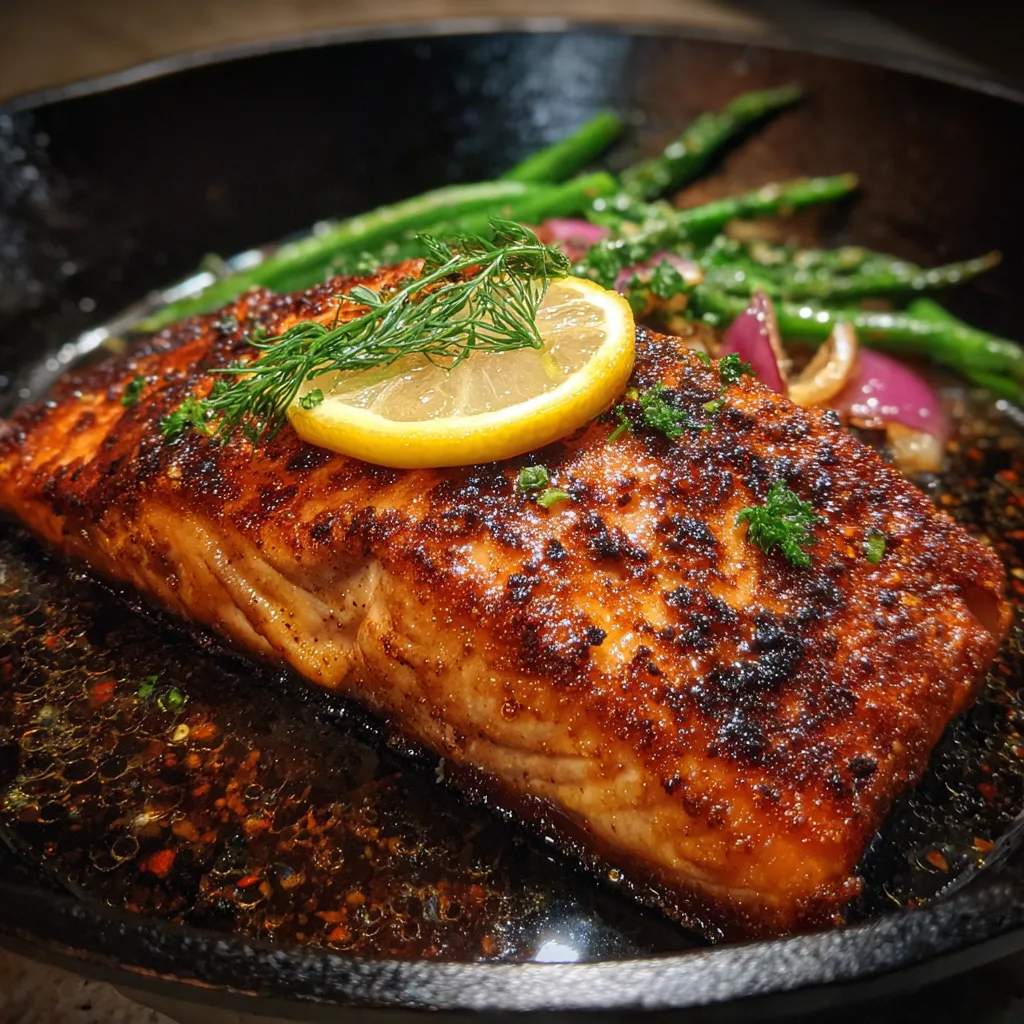
Broiled salmon is one of the simplest yet most impressive dishes you can prepare at home. With minimal ingredients and a short cooking time, you can achieve a beautifully caramelized top and a moist, flaky interior. The high heat of the broiler locks in the salmon’s natural juices while creating a lightly crisp surface that enhances both texture and flavor.
The first time I made broiled salmon, I was surprised by how quickly it cooked. In less than ten minutes, dinner was ready. I even experimented with brushing the fillets with a touch of honey and Dijon mustard before broiling, and the subtle sweetness paired wonderfully with the rich fish.
Whether you are looking for a healthy weeknight dinner or an elegant main course for guests, broiled salmon delivers consistent results with very little effort.
Print
Perfect Broiled Salmon – Tender, Flaky, and Full of Flavor in Minutes
- Total Time: 18 minutes
- Yield: 4 servings
- Diet: Low Calorie
Description
Tender, flaky broiled salmon fillets with a lightly crisped top and a simple seasoning blend of garlic, lemon, and herbs. A quick and healthy main dish perfect for weeknight dinners.
Ingredients
- 4 salmon fillets (about 6 oz each)
- 2 tbsp olive oil
- 2 cloves garlic, minced
- 1 tbsp fresh lemon juice
- 1 tsp lemon zest
- 1/2 tsp salt
- 1/2 tsp black pepper
- 1 tsp dried parsley or 1 tbsp fresh parsley, chopped
- Lemon wedges for serving
Instructions
- Preheat the broiler to high and position the oven rack about 6 inches from the heat source.
- Line a baking sheet with foil and lightly grease it.
- Pat salmon fillets dry and place skin-side down on the prepared baking sheet.
- In a small bowl, mix olive oil, garlic, lemon juice, lemon zest, salt, pepper, and parsley.
- Brush the mixture evenly over the salmon fillets.
- Broil for 6–10 minutes, depending on thickness, until the salmon flakes easily with a fork and reaches an internal temperature of 145°F (63°C).
- Remove from oven and let rest for 2 minutes.
- Serve warm with fresh lemon wedges.
Notes
- Cooking time will vary depending on thickness of fillets.
- For extra flavor, marinate salmon for 15–30 minutes before broiling.
- Do not overcook to keep the salmon moist and tender.
- Pairs well with roasted vegetables, rice, or a fresh salad.
- Prep Time: 10 minutes
- Cook Time: 8 minutes
- Category: Main Course
- Method: Broiling
- Cuisine: American
Why You’ll Love This Recipe
This recipe is fast, healthy, and incredibly versatile. It requires minimal preparation and uses basic pantry ingredients. The broiling method intensifies flavor while preserving moisture, resulting in tender, flaky salmon every time. It pairs beautifully with vegetables, grains, or salads, making it suitable for both casual dinners and more refined meals.
Ingredients
(Tip: You can find the complete list of ingredients and their measurements in the recipe card below.)
Salmon fillets
Fresh salmon fillets are the star of the dish. Choose center-cut pieces for even cooking and optimal texture.
Olive oil
Olive oil helps keep the salmon moist and encourages light browning under the broiler.
Salt
Salt enhances the natural richness of the salmon and balances the overall flavor.
Black pepper
Freshly ground black pepper adds subtle heat and depth.
Garlic
Minced garlic infuses the salmon with aromatic flavor during broiling.
Lemon juice
Fresh lemon juice brightens the richness of the fish and adds refreshing acidity.
Dijon mustard (optional)
Dijon mustard provides a gentle tang and helps create a flavorful glaze.
Fresh herbs (parsley or dill)
Fresh herbs add color and a vibrant finish that complements the salmon beautifully.
Directions
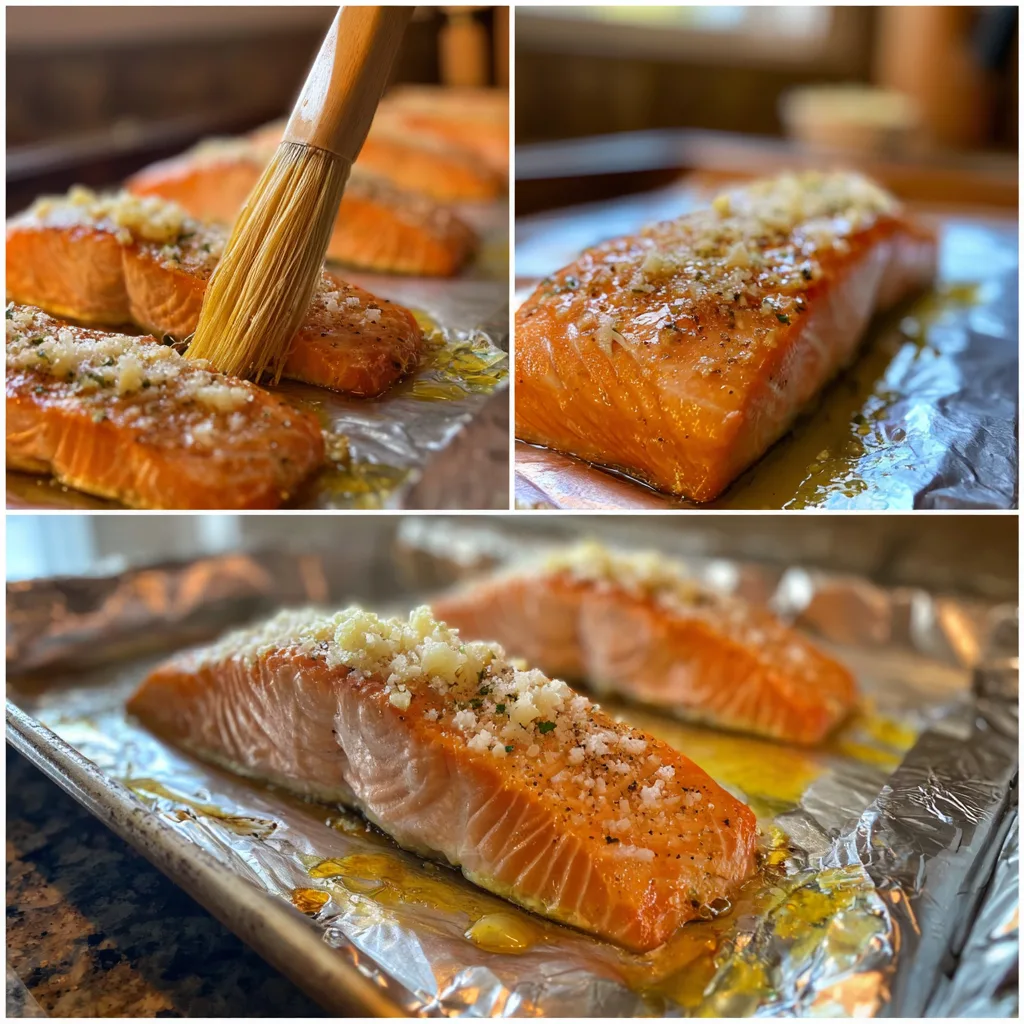
Preheat your oven’s broiler and position the rack about 6 inches from the heat source. Line a baking sheet with foil and lightly grease it to prevent sticking.
Pat the salmon fillets dry with paper towels and place them skin-side down on the prepared baking sheet. Brush the tops with olive oil, then season evenly with salt and black pepper. Spread a small amount of minced garlic over each fillet. If using Dijon mustard, spread a thin layer over the surface before broiling.
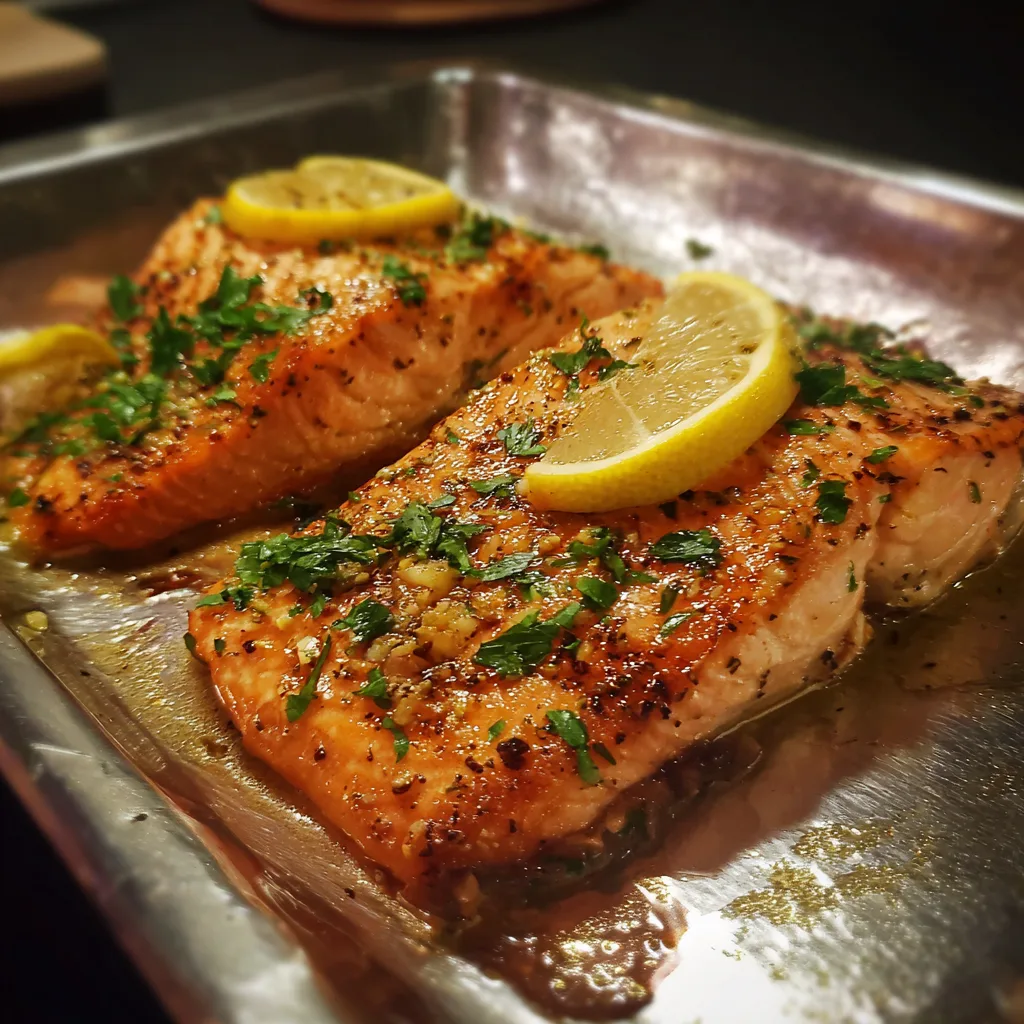
Broil the salmon for approximately 6–8 minutes, depending on thickness. The salmon is done when it flakes easily with a fork and reaches an internal temperature of 125–130°F (52–54°C) for medium. Avoid overcooking, as salmon can dry out quickly under high heat.
Remove from the oven and immediately squeeze fresh lemon juice over the top. Garnish with chopped parsley or dill before serving.
Equipment needed : Must-Have Tools to Get Rolling
Here’s what you’ll want to have on hand:
Silicone Spatula – Durable, heat-resistant silicone spatula perfect for mixing, scraping, and spreading. Gentle on non-stick cookware and easy to clean.
Large pot – You’ll need this to boil the whole cabbage head and soften the leaves.
large bowl –Spacious, durable large bowl ideal for mixing, serving, or food preparation. Made from sturdy material and easy to clean.
Sharp knife – For coring the cabbage and slicing out the thick stem in each leaf. A paring knife works best.
Mixing bowl – A big bowl makes it easier to combine your meat and rice filling evenly.
Cutting board – For prepping cabbage leaves and rolling them like a pro.
Full-Size Blender – is a powerful kitchen appliance for making smoothies, soups, and sauces in large batches.
3-in-1 Air Fryer – This versatile 3-in-1 air fryer offers Air Fry for healthier meals with less oil, Bake for bakery-quality desserts and treats, and Reheat to bring leftovers back to life with crispy, flavorful results
Servings and timing
This recipe serves 4 people. Preparation time is approximately 5–10 minutes, cooking time is 6–8 minutes, and total time is about 15 minutes.
Storage/reheating
Store leftover salmon in an airtight container in the refrigerator for up to 3 days. Reheat gently in a 300°F (150°C) oven until warmed through, or enjoy it cold in salads and sandwiches. Avoid microwaving at high power, as it may dry out the fish.
Variations and Customizations
Broiled salmon is extremely adaptable. For a sweeter glaze, mix honey with Dijon mustard and brush it over the fillets before broiling. The sugars caramelize slightly, creating a beautiful golden finish.
For a bolder flavor profile, add smoked paprika or chili flakes to the seasoning blend. I once added a light soy sauce and garlic mixture for an Asian-inspired variation, and it paired wonderfully with steamed rice and vegetables.
If you prefer a Mediterranean twist, top the salmon with chopped tomatoes, olives, and crumbled feta after broiling. A squeeze of lemon and a drizzle of olive oil tie the flavors together.
You can also experiment with herb crusts by combining breadcrumbs with parsley, garlic, and olive oil. Press the mixture onto the salmon before broiling for added texture. These simple adjustments allow you to tailor the dish to different cuisines while maintaining its healthy foundation.
Nutrition and Dietary Info
Below is the approximate nutritional information per serving (based on a 6-ounce fillet):
| Nutrient | Amount per Serving |
|---|---|
| Calories | 367 kcal |
| Protein | 34 g |
| Carbohydrates | 1 g |
| Fat | 25 g |
| Saturated Fat | 4 g |
| Fiber | 0 g |
| Sugar | 0 g |
| Sodium | 320 mg |
Values are estimates and may vary depending on portion size and additional ingredients used.
FAQs
How do I know when salmon is done?
Salmon is done when it flakes easily with a fork and the internal temperature reaches 125–130°F for medium doneness.
Should I broil salmon with the skin on?
Yes, keeping the skin on helps protect the flesh from drying out and makes it easier to handle.
Can I use frozen salmon?
Yes, but thaw it completely and pat it dry before broiling for best results.
How do I prevent overcooking?
Keep a close eye on the salmon and check it at the 6-minute mark, as broilers can vary in intensity.
What sides pair well with broiled salmon?
Steamed vegetables, rice, quinoa, or a fresh green salad complement the dish beautifully.
Is broiled salmon healthy?
Yes, salmon is rich in omega-3 fatty acids, high-quality protein, and essential nutrients.
Conclusion
Broiled salmon is a quick, elegant, and nutritious meal that delivers bold flavor with minimal effort. With its tender, flaky texture and customizable seasoning options, it is a reliable recipe suitable for both busy weeknights and special occasions. Once you master this simple technique, it is likely to become a staple in your kitchen.
Hungry for more? Visit our website for full recipes and follow us on Pinterest for daily foodie inspo you’ll love to pin!